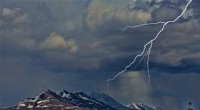
* Cool and Dry: High altitudes experience lower temperatures due to the thinner atmosphere and decreased solar radiation. The dry conditions are often due to the rain shadow effect, where mountains block moisture-laden winds, causing dryness on the leeward side.
* Mountain Hill Plateaus: These landforms are characteristic of high altitudes, with elevations ranging from a few hundred to several thousand meters.
* Plains: While plains can be found at lower elevations, they can also occur at high altitudes, particularly in regions with extensive mountain ranges.
Here's a breakdown of the key factors:
* Elevation: Higher elevations mean lower temperatures and thinner air.
* Latitude: The closer to the poles, the colder the climate.
* Rain Shadow Effect: Mountain ranges can cause dry conditions on their leeward side.
* Vegetation: Steppe climates have short grasses and scattered shrubs, while tundra climates have low-lying vegetation adapted to cold temperatures.
Examples of high-altitude climates:
* Tibetan Plateau: One of the largest and highest plateaus in the world, known for its cold and dry climate.
* Andes Mountains: High elevations in the Andes support a variety of climates, including alpine tundra and steppe.
* Rocky Mountains: The Rocky Mountains in North America have high-altitude regions with cool, dry climates.
Let me know if you'd like more detail about a specific landform or type of high-altitude climate.