1. Fossil Record:
* Biostratigraphy: This is the study of the distribution of fossils in rock layers. It's a key tool for understanding the history of life on Earth. When significant changes in the types of fossils found in rocks occur, it signals a possible boundary between geological time periods.
* Extinction events: Major extinction events, like the one that wiped out the dinosaurs, mark significant changes in the history of life and are often used to define epoch boundaries.
2. Geological Events:
* Continental drift: The movement of tectonic plates over millions of years can create mountain ranges, oceans, and other major geological features. These events leave their mark on the rock record and can be used to define time boundaries.
* Climate change: Major shifts in climate, such as ice ages or periods of extreme heat, can leave distinct traces in the geological record. For example, glacial deposits and changes in ocean currents can be used to define epochs.
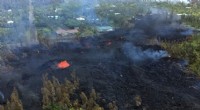
* Volcanic activity: Large-scale volcanic events can alter the atmosphere and have a major impact on life on Earth. These events are often associated with significant shifts in the fossil record and can be used to define epoch boundaries.
3. The International Commission on Stratigraphy (ICS):
* The ICS is the international body responsible for defining and standardizing geological time scales. They use the evidence from fossils, geological events, and radiometric dating to establish the boundaries between eras, periods, epochs, and other units of geological time.
Key Differences between Eras and Epochs:
* Eras: These are the largest units of geological time, typically lasting tens to hundreds of millions of years. They represent significant changes in the Earth's history, such as the rise of complex life forms or major tectonic events.
* Epochs: These are subdivisions of eras, lasting millions of years. They are defined by more subtle changes in the fossil record and geological events.
In summary, geological epochs and eras are defined through a combination of evidence from the fossil record, geological events, and radiometric dating, all coordinated and standardized by the International Commission on Stratigraphy.