Earth's interior is divided into several distinct layers, each with unique composition, physical properties, and behavior. Here's a breakdown:
1. Crust:
* Composition: Primarily composed of light elements like silicon, oxygen, aluminum, iron, calcium, sodium, potassium, and magnesium. It's the thinnest layer, with two types:
* Oceanic crust: Denser, thinner, and younger than continental crust, made mostly of basalt.
* Continental crust: Less dense, thicker, and older than oceanic crust, made mostly of granite.
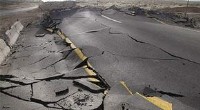
* Physical Properties: Relatively brittle and rigid, can fracture and break.
2. Mantle:
* Composition: Primarily composed of silicate minerals, rich in iron and magnesium. It also contains some sulfur, calcium, and aluminum.
* Physical Properties: Mostly solid but can behave as a very viscous fluid over geological time scales due to immense pressure and heat.
* Layers:
* Upper Mantle: Includes the lithosphere (rigid, composed of the crust and uppermost mantle) and the asthenosphere (partially molten, allowing tectonic plates to move).
* Lower Mantle: Solid, but with a more ductile behavior due to the extreme pressure.
3. Outer Core:
* Composition: Liquid iron alloy with nickel and small amounts of other elements like sulfur and silicon.
* Physical Properties: Liquid, generating electric currents that create Earth's magnetic field.
4. Inner Core:
* Composition: Solid iron alloy with a slightly higher nickel content than the outer core.
* Physical Properties: Solid due to immense pressure, even though the temperature is above the melting point of iron.
Key Features:
* Temperature and Pressure: Increase significantly with depth, reaching extreme values at the core.
* Density: Increases with depth, with the core being the densest layer.
* Seismic Waves: Scientists use seismic waves generated by earthquakes to study Earth's internal structure. The waves travel at different speeds through different materials, providing clues about the composition and physical properties of each layer.
Understanding Earth's Internal Composition:
* Helps us understand plate tectonics, earthquakes, volcanoes, and Earth's magnetic field.
* Provides insights into the formation and evolution of our planet.
* Is crucial for resource exploration and environmental monitoring.
This layered structure is a result of Earth's formation and ongoing processes like radioactive decay, which generate heat and drive the movement of materials within the planet.