Here's how it works:
* Convergent Plate Boundaries: When two tectonic plates collide, one plate often subducts (slides) beneath the other. This process can cause:
* Fold Mountains: As the plates collide, the rock layers above are compressed and folded into mountains (e.g., the Himalayas).
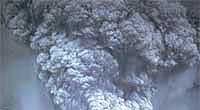
* Volcanic Mountains: When subducting plates melt, magma rises to the surface, creating volcanoes (e.g., the Andes Mountains).
* Other Mechanisms: Mountains can also form through:
* Uplift: Forces within the Earth can push up large blocks of rock, creating plateaus or mountain ranges (e.g., the Colorado Plateau).
* Faulting: When rocks break along fractures, blocks can move up or down, creating mountains (e.g., the Sierra Nevada).
While sediment plays a role in shaping the landscape and can contribute to the formation of landforms like hills and plateaus, it is not the primary mechanism for mountain building.