Natural Forces:
* Waves: The primary driver of erosion. Wave energy erodes the shoreline, particularly during storms.
* Tides: The rise and fall of tides can create currents that carry sediment away from the coast.
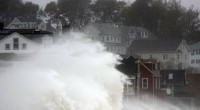
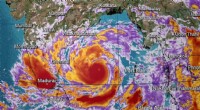
* Storms: Intense storms, especially hurricanes and cyclones, generate powerful waves and surges that significantly erode coastlines.
* Sea Level Rise: As sea levels rise, the rate of erosion increases, as the higher water level creates more powerful waves and greater wave energy.
* Wind: Wind can create strong currents that move sand and sediment along the coast, leading to erosion and deposition.
* Geological Processes: Natural landforms like cliffs and sand dunes are vulnerable to erosion due to their inherent geological makeup.
Human Activities:
* Seawalls and Breakwaters: These structures, while intended to protect coastlines, can actually exacerbate erosion by disrupting natural sediment flow and concentrating wave energy.
* Coastal Development: Building houses, roads, and other structures near the shore can disrupt the natural flow of sediment and increase erosion.
* Dredging and Sand Mining: Removing sand from the ocean floor can alter the natural balance of sediment, leading to erosion in other areas.
* Deforestation: Cutting down trees and vegetation can destabilize the soil, making it more susceptible to erosion.
How Erosion Occurs:
* Abrasion: The grinding action of rock fragments carried by waves against the shoreline.
* Hydraulic Action: The force of waves hitting the shore compresses air in cracks and crevices, causing them to expand and break apart the rock.
* Solution: Chemicals in seawater dissolve certain types of rocks, such as limestone.
The impact of coastal erosion can be significant, including:
* Loss of land: Beaches, dunes, and cliffs can disappear.
* Damage to infrastructure: Roads, buildings, and other structures can be destroyed.
* Threat to human life: Erosion can lead to landslides and other hazards.
* Disruption to ecosystems: Coastal habitats, such as wetlands and coral reefs, can be damaged.
Understanding the causes of coastal erosion is crucial for developing effective strategies to mitigate its effects.