Nutrients:
* Nitrogen: Ash contains nitrogen, a key nutrient for plant growth, especially in areas where nitrogen is deficient.
* Phosphorous: Ash can also contain phosphorus, another essential nutrient for healthy plant development.
* Potassium: Some volcanic ashes are rich in potassium, contributing to robust plant growth.
* Calcium and Magnesium: Ash often contains calcium and magnesium, both important for soil structure and plant health.
Soil Structure:
* Improved Drainage: Ash can improve soil drainage by creating air pockets, reducing compaction, and promoting water infiltration.
* Increased Water Retention: Some ash types can increase water retention in the soil, benefiting plants during dry periods.
* Enhanced Soil Texture: Ash can add grit and texture to clay soils, making them more workable.
Other Benefits:
* Increased pH: Ash can increase the pH of acidic soils, making them more suitable for certain plants.
* Natural Pesticide: Ash can act as a natural pesticide against certain pests and diseases.
* Trace Minerals: Volcanic ash can contain trace minerals that are beneficial for plant growth.
However, it's important to note that not all volcanic ashes are created equal.
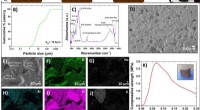
* Chemical Composition: The chemical composition of volcanic ash varies widely depending on the volcano and the eruption. Some ash types might contain harmful elements like sulfur or heavy metals that can be detrimental to soil and plant health.
* Particle Size: The size of the ash particles can affect its impact on the soil. Fine ash can quickly decompose, while coarser ash might take longer to break down.
It's essential to test the ash for its chemical composition and particle size before applying it to soil. Consulting with agricultural experts or soil scientists is recommended to ensure the ash is suitable for your specific needs.