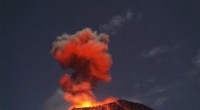
* Igneous rocks: Volcanoes are the prime source of igneous rocks. Magma (molten rock) erupts as lava, cools, and solidifies into igneous rocks like basalt and granite.
* Sedimentary rocks: Mountain ranges, due to uplift and erosion, provide a constant supply of sediment. These sediments are transported by wind, water, and glaciers, eventually settling and forming sedimentary rocks like sandstone and limestone.
* Metamorphic rocks: The intense heat and pressure found within mountains and near volcanoes transform existing igneous and sedimentary rocks into metamorphic rocks like marble and gneiss.
Other areas where you can find all three types of rocks:
* Continental margins: These areas experience uplift, erosion, and sediment deposition, creating all three types of rocks.
* Deep ocean trenches: Subduction zones, where tectonic plates collide, can form igneous rocks, and the high pressure can transform existing rocks into metamorphic rocks.
It's important to remember that the rock cycle is a continuous process, so even in areas where one type of rock is dominant, evidence of the other two can be found.