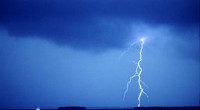
* Thunderstorms: Tornadoes always form within severe thunderstorms. These thunderstorms need specific conditions like:
* Warm, moist air: Provides the fuel for the storm
* Unstable air: Air that is buoyant and wants to rise
* Lifting mechanism: Something to get the air rising (e.g., fronts, mountains, or heat)
* Strong wind shear: Changes in wind speed and direction with height. This creates rotation in the storm.
* Mesocyclone: Within the thunderstorm, a rotating column of air forms called a mesocyclone. This is the key ingredient for tornado formation.
* Downward draft: As the mesocyclone rotates, it can draw air downwards from the thunderstorm. This descending air, combined with the rotating mesocyclone, can create a funnel cloud.
* Contact with ground: If the funnel cloud touches the ground, it becomes a tornado.
Geologic influences on tornadoes:
While tornadoes themselves are not geologic, certain geographic features can influence their formation:
* Terrain: Hills and mountains can create lifting mechanisms that can trigger thunderstorms and tornadoes.
* Proximity to water: Water bodies like lakes and oceans provide moisture that fuels thunderstorms.
* Soil type: Certain soil types can influence how much moisture evaporates into the air, which can impact storm development.
It's important to note that tornadoes are not directly caused by geologic features. They are complex meteorological events that require a specific set of atmospheric conditions to occur.