Agents of Erosion:
* Wind: Carries loose particles like sand and dust, causing abrasion (sandblasting) and deflation (lifting and carrying away loose materials).
* Water: Rain, rivers, and ocean waves can carve channels, transport sediments, and wear away rock through hydraulic action (force of water) and abrasion (sediment rubbing).
* Ice: Glaciers, ice sheets, and permafrost can move and erode landscapes through abrasion, plucking (lifting and carrying away rock fragments), and scouring.
* Gravity: Landslides, rockfalls, and soil creep are driven by gravity and can dramatically alter landscapes.
Factors Contributing to Erosion:
* Climate: Precipitation, wind speed, and temperature affect the intensity and type of erosion.
* Topography: Steep slopes are more prone to erosion than gentle ones.
* Vegetation: Plant roots hold soil together, reducing erosion.
* Human Activities: Deforestation, agriculture, construction, and mining can accelerate erosion.
Consequences of Erosion:
* Land Degradation: Loss of fertile topsoil, decreased productivity, and habitat destruction.
* Sedimentation: Build-up of sediments in rivers, lakes, and oceans, impacting water quality and aquatic life.
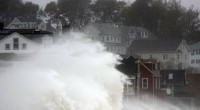
* Coastal Erosion: Loss of beaches, coastal infrastructure, and habitats.
* Soil Pollution: Erosion can transport pollutants like pesticides and heavy metals.
Mitigation of Erosion:
* Conservation Practices: Planting trees, terracing slopes, and using cover crops to stabilize soil.
* Sustainable Land Management: Reducing deforestation, minimizing tillage, and promoting responsible development.
* Coastal Protection Measures: Seawalls, breakwaters, and beach nourishment.
Understanding the causes and consequences of erosion is crucial for managing our environment and protecting natural resources.