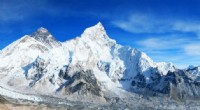
1. Tectonic Plate Collision (Folding): This is the most common way mountains are formed. When two continental plates collide, their edges buckle and fold upwards, creating mountain ranges. The Himalayas and the Alps are examples of mountains formed this way.
2. Faulting and Block Uplift (Fault-Block Mountains): This occurs when the Earth's crust fractures along faults. The blocks of land on either side of the fault may move vertically, creating mountains. The Sierra Nevada Mountains in California are an example.
3. Volcanic Activity: Volcanoes erupt and build up layers of lava and ash, eventually forming mountains. Mount Fuji in Japan is a classic example of a volcanic mountain.
4. Erosion and Weathering: While erosion is often thought of as breaking down mountains, it can also contribute to their formation. Over time, erosion can carve away weaker rock, leaving behind harder rock formations that stand as mountains. The Black Hills of South Dakota are an example of mountains formed by this process.