Here's how it works:
1. Weathering: This is the process of breaking down rocks into smaller pieces. It happens in several ways:
* Physical weathering: This involves mechanical forces like:
* Freezing and thawing: Water seeps into cracks in rocks, freezes (expands), and breaks the rock apart.
* Abrasion: Rocks rub against each other, grinding them down.
* Plant roots: As roots grow, they can exert pressure on rocks, splitting them.
* Chemical weathering: This involves chemical reactions that alter the composition of rocks, making them weaker and more prone to breaking down. Examples include:
* Acid rain: Dissolves certain minerals in rocks.
* Oxidation: Iron in rocks reacts with oxygen, forming rust and weakening the rock.
2. Erosion: This is the process of moving weathered rock fragments from one place to another. It's caused by:
* Wind: Carries dust and sand, eroding rocks and depositing sediment elsewhere.
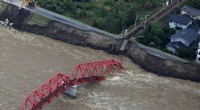
* Water: Rain and rivers carry away rock fragments, transporting them downstream.
* Ice: Glaciers carve out valleys, transporting rocks and sediment.
* Gravity: Causes rocks to roll downhill, breaking into smaller pieces.
3. Soil Formation: As rocks weather and erode, the resulting fragments mix with organic matter (decomposed plants and animals) and other materials. This mixture, along with air and water, forms soil.
The Mix:
* Parent Material: The original rock that weathered to form the soil is called the parent material. The type of rock influences the soil's composition and properties.
* Mineral Content: As rocks break down, their minerals become part of the soil. This influences soil fertility and the types of plants that can grow in it.
* Organic Matter: Decomposed plant and animal matter provides nutrients for plants and improves soil structure.
In Summary: Rocks and soil are interconnected through a constant cycle of weathering, erosion, and soil formation. The resulting mix of weathered rock fragments, organic matter, and other materials forms the foundation for life on Earth.