1. Earth's Crust is Made of Plates: The Earth's outer layer, the lithosphere, is broken into large pieces called tectonic plates. These plates constantly move, driven by heat and convection currents in the Earth's mantle.
2. Plate Collisions: When two plates collide, one of three things can happen:
* Convergent Boundary (Collision): If two continental plates collide, they push against each other, causing the land to buckle and fold, creating mountains. This is how the Himalayas were formed.
* Convergent Boundary (Subduction): If an oceanic plate collides with a continental plate, the denser oceanic plate slides beneath the continental plate. This process, called subduction, can cause volcanic mountain ranges to form along the edge of the continent. The Andes Mountains are an example of this.
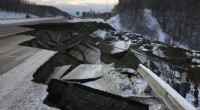
* Transform Boundary: If two plates slide past each other horizontally, it can create fault lines and earthquakes, but not necessarily mountains.
3. Uplift and Erosion: Once the plates have collided and the mountains have begun to form, erosion from wind and water can sculpt and shape the mountains over time.
In summary, mountain ranges are created by the immense forces of plate tectonics. The collision and interaction of these plates cause the Earth's crust to buckle, fold, and uplift, creating the towering peaks and ranges that we see today.