* Divergent Plate Boundaries: Continental plates pulling apart are called divergent plate boundaries.
* Thinning Crust: As the plates move apart, the crust between them thins and stretches.
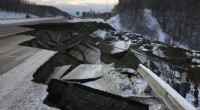
* Faulting: This stretching causes the crust to break, forming faults. The most prominent faults are the rift valley itself.
* Uplift and Depression: The thinning crust can cause uplift on either side of the rift, creating elevated areas. The central zone often sinks, forming the depression known as the rift valley.
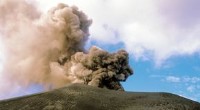
* Magma Upwelling: The thinned crust allows magma from the mantle to rise to the surface. This can lead to volcanic activity within the rift valley.
Examples of Rift Valleys:
* East African Rift Valley: One of the most prominent examples, it stretches for thousands of kilometers across eastern Africa.
* Rio Grande Rift Valley: Located in the southwestern United States.
* Baikal Rift Valley: Found in Siberia, Russia.
Long-Term Consequences:
Over millions of years, continued rifting can lead to the formation of:
* New Ocean Basins: As the plates continue to pull apart, the rift valley can widen and eventually be flooded by seawater, forming a new ocean basin.
* Mid-Ocean Ridges: The zone where the plates separate at the bottom of the ocean is known as a mid-ocean ridge.
Let me know if you have any other questions about plate tectonics!