1. Rocks:
* Igneous Rocks: Formed from the cooling and solidification of molten rock (magma or lava). Examples: granite, basalt, obsidian.
* Sedimentary Rocks: Formed from the accumulation and cementation of sediments. Examples: sandstone, limestone, shale.
* Metamorphic Rocks: Formed when existing rocks are transformed by heat, pressure, or chemical reactions. Examples: marble, slate, gneiss.
2. Minerals:
* Naturally occurring inorganic solids with a specific chemical composition and crystal structure. Examples: quartz, feldspar, mica.
3. Soil:
* A mixture of weathered rock, organic matter, air, and water. Soil is essential for plant growth and supports a diverse ecosystem.
4. Water:
* Covers about 71% of the Earth's surface. Oceans, lakes, rivers, and ice are major components of the Earth's surface.
5. Ice:
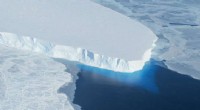
* Found in glaciers, ice caps, and permafrost. Glaciers can carve out valleys and shape mountains, while permafrost influences the landscape in polar regions.
6. Vegetation:
* Plants, trees, and other forms of life. Vegetation helps to stabilize soil, prevent erosion, and provides habitat for animals.
7. Human-made materials:
* Buildings, roads, bridges, and other structures built by humans. These structures can significantly alter the Earth's surface.
The proportions and types of these materials vary widely across the Earth's surface, depending on factors such as climate, geological history, and human activity.