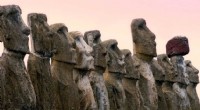
1. Weathering and Erosion: The metamorphic rock is exposed at the Earth's surface and is subjected to weathering (breakdown by wind, water, ice, and chemical reactions) and erosion (transport of the broken-down material).
2. Sediment Formation: The weathered material (sediments) are transported by wind, water, or ice and eventually settle in a new location, like a riverbed, lake, or ocean floor.
3. Compaction and Cementation: Over time, the sediments accumulate in layers. The weight of overlying sediments compacts the lower layers, squeezing out water and air. Minerals dissolved in the water precipitate out between the sediment particles, acting as a cement to bind them together.
4. Sedimentary Rock Formation: This process forms a new sedimentary rock.
Think of it like this:
* Metamorphic Rock: The "building blocks" of a house.
* Weathering and Erosion: The house is torn down and the bricks are scattered.
* Sediment Formation: The bricks are carried away and deposited in a pile.
* Compaction and Cementation: The pile of bricks is compacted and held together by mortar.
* Sedimentary Rock: A new structure made of the original "building blocks," but completely different from the original house.
Important Note: While a metamorphic rock itself doesn't become a sedimentary rock, the materials it's made of can be transformed into new sedimentary rocks. It's a cycle of rock transformations known as the "rock cycle."