Imagine the Earth's surface as a giant jigsaw puzzle, made of massive, irregularly shaped pieces called tectonic plates. These plates are not fixed; they are constantly moving, albeit very slowly, in a process called plate tectonics. This movement is driven by convection currents within the Earth's mantle, the layer beneath the crust.
Here's how it works:
1. Convection Currents: The Earth's core generates heat, causing the mantle to heat up and become less dense. This less dense material rises, while the cooler, denser material sinks, creating a cycle of convection currents.
2. Plate Movement: These currents act like a giant conveyor belt, dragging the tectonic plates along with them.
3. Plate Boundaries: The edges of these plates are called plate boundaries, where the plates interact with each other. These interactions can result in different types of plate movement:
* Divergent Boundaries: Plates move apart, creating new crust. This is where mid-ocean ridges form, and volcanic activity is common.
* Convergent Boundaries: Plates collide, resulting in subduction, where one plate sinks beneath the other, or mountain building. Earthquakes and volcanic eruptions are frequent at these boundaries.
* Transform Boundaries: Plates slide past each other horizontally, causing earthquakes.
The Consequences of Plate Movement:
Tectonic plate movement is responsible for a wide range of geological phenomena, including:
* Mountain ranges: The Himalayas, Andes, and Alps are all formed by convergent plate boundaries.
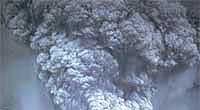
* Volcanoes: Volcanoes occur at both divergent and convergent boundaries, where magma rises to the surface.
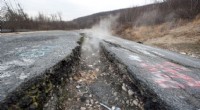
* Earthquakes: Earthquakes are caused by the sudden release of energy at plate boundaries.
* Ocean floor formation: New ocean floor is created at mid-ocean ridges, where plates diverge.
* Continental drift: Over millions of years, plate movement has caused the continents to drift apart and come together.
Understanding tectonic plate movement is crucial for:
* Predicting earthquakes and volcanic eruptions
* Understanding the formation of Earth's landforms
* Exploring for natural resources
* Managing the risks of natural disasters
While it might seem slow, tectonic plate movement is a continuous and powerful force that shapes our planet. It's a reminder that our Earth is a dynamic and ever-changing system.