Geological Processes:
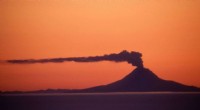
* Plate Tectonics: Rocks form the foundation of Earth's tectonic plates, which move and interact, causing earthquakes, volcanic eruptions, mountain building, and the formation of new land masses.
* Erosion and Weathering: Rocks are constantly broken down by wind, water, and ice, contributing to the formation of soil, shaping landscapes, and transporting sediments.
* Rock Cycle: Rocks are constantly transformed through the rock cycle. This process involves weathering, erosion, deposition, burial, heat, and pressure, creating different types of rocks with diverse properties.
Environmental Impact:
* Soil Formation: Rocks weather into smaller particles, creating soil that provides essential nutrients for plant growth.
* Water Quality: Rocks influence water quality through their interaction with groundwater and surface water, affecting mineral content and pH levels.
* Climate Regulation: Rocks can influence climate through their albedo (reflectivity), which affects how much solar radiation is absorbed or reflected.
Human Impact:
* Building Materials: Rocks have been used for construction since ancient times, providing materials for buildings, roads, and infrastructure.
* Natural Resources: Rocks contain valuable minerals and fossil fuels, which are extracted and used for energy production, manufacturing, and other industries.
* Tourism: Unique rock formations, caves, and geological features attract tourists, contributing to local economies.
Other Impacts:
* Biodiversity: Different rock types support diverse ecosystems, providing habitats for various plant and animal species.
* Scientific Research: Rocks provide invaluable data for understanding Earth's history, climate change, and geological processes.
Overall, rocks are essential components of our planet, influencing everything from the formation of continents to the resources we use daily. Understanding their role is crucial for sustainable management of our environment and resources.