Here's a breakdown:
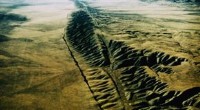
* Tectonic Plates: The Earth's crust is made up of large pieces called tectonic plates. They're constantly moving, although very slowly.
* Convergent Plate Boundaries: When two tectonic plates collide, it's called a convergent plate boundary.
* Subduction: When one plate is denser than the other, it gets forced beneath the lighter plate. The denser plate is said to be "subducting" under the other.
* Ocean Trench Formation: As the denser plate subducts, it creates a deep, narrow depression in the ocean floor. This is the ocean trench.
Key Points:
* Deepest Parts of the Ocean: Ocean trenches are the deepest parts of the ocean, with depths exceeding 10,000 meters (33,000 feet).
* Volcanic Activity: Subduction zones are often associated with volcanic activity, as the descending plate melts and creates magma that rises to the surface.
* Examples: The Mariana Trench (the deepest known point on Earth), the Peru-Chile Trench, and the Japan Trench are all examples of ocean trenches formed by subduction.