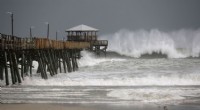
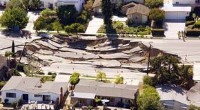
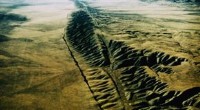
Erosion is the process of wearing away and transporting Earth's surface materials. It's a natural phenomenon that happens constantly, shaping the landscapes we see. Imagine the slow, patient work of a sculptor, and that's what erosion does to the lithosphere, the solid, rocky outer layer of the Earth.
Here's how erosion affects the lithosphere:
1. Breaking down rocks:
* Weathering: This is the first step, where physical or chemical processes break down rocks into smaller pieces. Think of freezing water expanding in cracks, or acid rain dissolving limestone.
* Abrasion: This is the grinding and scraping of rocks against each other, often caused by wind-blown sand, moving water, or glaciers.
2. Transporting materials:
* Wind: Powerful winds can carry dust, sand, and even larger particles, creating sand dunes and sculpting landscapes like canyons.
* Water: Rivers, streams, and ocean waves carry sediment downstream, carving out valleys, canyons, and coastlines.
* Ice: Glaciers act like giant bulldozers, carving out valleys, transporting rocks, and leaving behind moraines (piles of debris).
* Gravity: Gravity plays a role in mass wasting, where landslides, rockfalls, and soil creep transport materials downslope.
3. Deposition:
* Once the erosive forces lose their energy, they deposit the eroded material, forming new landforms like river deltas, sandbars, and beaches.
Overall impact on the lithosphere:
* Shape and Topography: Erosion sculpts mountains, valleys, and canyons, creating the diverse landscapes we see.
* Rock Cycle: Erosion plays a crucial role in the rock cycle, exposing bedrock and contributing to the formation of sediments that eventually become new rocks.
* Soil Formation: Erosion helps break down rocks into smaller particles that form the basis of soil.
* Environmental Impact: Erosion can be beneficial, creating fertile land and diverse ecosystems. However, excessive erosion can lead to soil loss, water pollution, and habitat destruction.
Examples of erosion in action:
* The Grand Canyon: Carved by the Colorado River over millions of years.
* The Great Barrier Reef: Built by coral polyps, but constantly shaped by waves and ocean currents.
* The Himalayas: Formed by tectonic uplift, but constantly sculpted by glacial erosion.
Understanding erosion is crucial for:
* Managing natural resources: Erosion can impact agricultural land, water resources, and infrastructure.
* Predicting natural hazards: Erosion can contribute to landslides, floods, and coastal erosion.
* Protecting our environment: Understanding the impacts of erosion helps us make informed decisions about land use and resource management.
Erosion is a powerful force that continuously shapes the Earth's surface. It is a constant reminder of the dynamic nature of our planet and the interconnectedness of its systems.