1. Snow Accumulation: Snow accumulates in a sheltered area, such as a mountainside or a high-altitude valley.
2. Snow Compaction and Recrystallization: Over time, the weight of the accumulated snow compacts it into denser, more granular névé.
3. Formation of Glacial Ice: Further compaction and recrystallization transform the névé into glacial ice.
4. Erosion by the Glacier: The glacial ice, due to its weight and the embedded rocks and sediment, begins to erode the surrounding rock.
5. Plucking: As the ice moves, it freezes onto the rock face and then breaks off pieces, a process called plucking.
6. Abrasion: The embedded rocks and sediment in the ice act like sandpaper, grinding away the rock surface through abrasion.
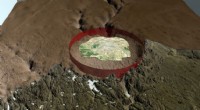
7. Formation of the Cirque: The erosion by plucking and abrasion creates a bowl-shaped depression called a cirque. The steep headwall of the cirque is formed by the plucking process, while the floor of the cirque is eroded by abrasion.
8. Tarn Formation: Often, a lake, called a tarn, will form in the bottom of the cirque after the glacier retreats.
Key Features of a Glacial Cirque:
* Steep headwall: A vertical or near-vertical cliff at the back of the cirque.
* Bowl-shaped depression: The overall shape of the cirque.
* Tarn: A lake formed in the cirque floor.
* Cirque lip: A raised rim at the mouth of the cirque.
* Eroded rock: Often, the rocks surrounding the cirque will show signs of glacial erosion.
Cirques are common in mountainous areas that have experienced glaciation. They are a significant indicator of past glacial activity and play a vital role in shaping the landscape.