Major Erosional Agents:
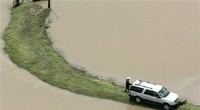
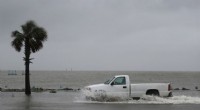
* Water: Arguably the most powerful and widespread erosional agent. It erodes through:
* Rivers: Carving canyons, valleys, and transporting sediment.
* Rain: Causing sheet erosion, rills, and gullies.
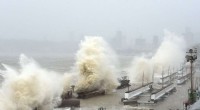
* Waves: Shaping coastlines, eroding cliffs, and creating beaches.
* Glaciers: Sculpting valleys, leaving behind U-shaped valleys, and transporting enormous amounts of rock.
* Wind: Significantly impacts arid and semi-arid regions. It erodes through:
* Deflation: Lifting and transporting loose particles (sand, silt).
* Abrasion: Sandblasting rocks with wind-borne particles.
* Ice: Glaciers are a powerful erosional force, but so is frost wedging.
* Frost wedging: Water seeps into cracks in rocks, freezes and expands, putting pressure on the rock, breaking it down.
* Gravity: Plays a role in:
* Mass wasting: Landslides, rockfalls, and debris flows.
* Creep: Slow, gradual movement of soil downhill.
Why it's difficult to choose "the most important":
* Location: The dominant erosional agent depends on the environment.
* Deserts: Wind is a primary force.
* Mountains: Glaciers and gravity are dominant.
* Coastal areas: Waves are the primary force.
* Time scales: Over short periods, a single event (like a landslide) might have the most impact. But over geological time, the cumulative effects of water erosion, wind, and glaciers are immense.
* Interplay: Erosional agents often work together. Wind can accelerate erosion already started by water. Glaciers can carve valleys that are then further eroded by rivers.
Conclusion:
The most important erosional agent ultimately depends on the context. All play a crucial role in shaping the Earth's dynamic surface over different timescales and in different environments.