General Properties:
* Low organic matter: Deserts lack the abundant vegetation that contributes to the creation of humus, the rich, dark organic matter found in healthy soils.
* High mineral content: Wind erosion and lack of vegetation leave behind a high concentration of minerals, often leading to a high pH (alkaline) and low nutrient availability.
* Low water content: Deserts receive very little rainfall, resulting in dry and often parched soil. This lack of moisture makes it difficult for plants to grow and limits microbial activity.
* Fine texture: Frequent wind erosion carries away larger particles, leaving behind primarily sand, silt, and clay.
Specific Types:
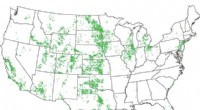
* Aridisols: The most common soil type in deserts, characterized by low organic matter, high mineral content, and a lack of moisture.
* Entisols: Young soils formed recently, often found in areas with active erosion.
* Inceptisols: Slightly more developed than Entisols, with some evidence of organic matter accumulation and weathering.
Challenges for Life:
* Limited water availability: Plants and animals must adapt to survive in arid conditions.
* Nutrient deficiency: The lack of organic matter and high pH make nutrients less accessible.
* Extreme temperatures: Deserts experience large fluctuations in temperature, posing challenges for living organisms.
Adaptations:
* Deep roots: Plants have evolved deep root systems to access scarce groundwater.
* Succulence: Plants store water in their leaves and stems to survive dry periods.
* Dormancy: Some plants enter a dormant state during dry periods, waiting for favorable conditions.
* Specialized microorganisms: Certain bacteria and fungi are adapted to survive in dry, nutrient-poor environments.
Human Impact:
* Overgrazing: Livestock can degrade desert soils by removing vegetation and compacting the ground.
* Urbanization: Expansion of urban areas can destroy natural desert ecosystems and alter soil properties.
* Climate change: Increased temperatures and drought conditions can exacerbate the already harsh conditions in deserts.
Understanding desert soils is crucial for sustainable land management and protecting the unique biodiversity of these fragile ecosystems.