Positive Impacts:
* Resource Availability: Topography can influence the availability of natural resources. For example, mountainous regions might possess rich mineral deposits, while coastal areas might have access to fisheries and marine resources.
* Renewable Energy Potential: Diverse terrain can offer opportunities for renewable energy sources. Mountainous regions are ideal for hydroelectric power generation, while coastal areas can utilize wind and solar energy.
* Tourism and Recreation: Scenic landscapes, mountains, coastlines, and other unique topographical features attract tourists, fostering economic growth through tourism and recreation industries.
* Biodiversity and Ecosystem Services: Different terrains support unique ecosystems and biodiversity, providing valuable ecosystem services like clean water, air purification, and carbon sequestration.
* Defense and Security: Mountainous regions can provide natural barriers and strategic advantages for defense purposes.
Negative Impacts:
* Limited Accessibility and Infrastructure: Rugged terrain can make it challenging to build infrastructure like roads, railways, and communication networks. This can hinder economic development, trade, and access to basic services.
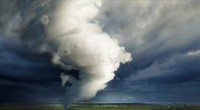
* Natural Disasters: Certain topographical features can increase the risk of natural disasters like earthquakes, landslides, floods, and volcanic eruptions. These events can cause significant damage to infrastructure, agriculture, and human lives, hindering development.
* Soil Erosion and Degradation: Steep slopes and lack of vegetation can lead to soil erosion and degradation, impacting agricultural productivity and water quality.
* Climate Variations: Topography influences climate patterns, creating microclimates with varying temperatures and rainfall. This can pose challenges for agriculture and affect water availability.
* Limited Agricultural Land: Mountainous and rugged terrain might limit arable land, impacting agricultural output and food security.
Adapting and Overcoming Challenges:
* Sustainable Development Practices: Implementing sustainable development practices like land management, soil conservation, and disaster preparedness can mitigate negative impacts and promote sustainable development.
* Investing in Infrastructure: Governments need to invest in transportation, communication, and energy infrastructure to overcome challenges related to accessibility and connectivity.
* Technological Advancements: Technological innovations in areas like agriculture, transportation, and disaster management can help adapt to challenges posed by topography.
* Diversification of Economy: Nations with challenging topography need to diversify their economies, moving beyond agriculture into sectors like tourism, technology, and services.
In conclusion, topography plays a crucial role in a nation's development. It presents both opportunities and challenges, requiring nations to adapt and implement strategies for sustainable and equitable development. Recognizing the complex interplay between topography and development is essential for planning and shaping a nation's future.