Natural Environments:
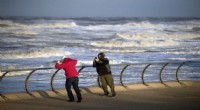
* Coastlines: Waves crashing against the shore erode the coastline, creating cliffs, beaches, and inlets.
* Mountains: Glaciers carving through mountains, wind and rain wearing down peaks, and landslides all contribute to mountain erosion.
* Rivers and streams: Water flowing in rivers and streams cuts through the land, creating valleys, canyons, and deltas.
* Deserts: Wind carries sand and dust, eroding rocks and creating unique landforms like sand dunes.
* Caves: Water dissolves limestone, creating caves and underground formations.
Human-Influenced Areas:
* Farmland: Overgrazing and improper farming practices can lead to soil erosion.
* Construction sites: Clearing land for construction can leave soil exposed to erosion.
* Roads and highways: Water runoff from roads can erode the surrounding land.
* Urban areas: Paved surfaces and lack of vegetation can increase erosion.
Examples of Specific Locations:
* The Grand Canyon: Carved by the Colorado River over millions of years.
* The Great Barrier Reef: Being eroded by climate change and pollution.
* The coastline of Florida: Eroding due to rising sea levels and hurricanes.
* The Dust Bowl: A region in the US that suffered severe soil erosion during the 1930s.
It's important to remember:
* Erosion is a natural process, but human activities can accelerate it.
* Understanding erosion is crucial for protecting our environment and ensuring sustainable practices.
If you have a specific location in mind, I can provide more detailed information about erosion there.