Mountains are formed through various geological processes, but the most common is plate tectonics. Here's how it works:
* Convergent Plate Boundaries: When two tectonic plates collide, the denser plate subducts (sinks) beneath the less dense one. This collision causes the land to buckle, fold, and uplift, creating mountain ranges. The Himalayas, for example, were formed by the collision of the Indian and Eurasian plates.
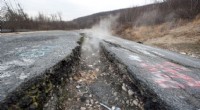
* Faulting: Sometimes, the pressure from tectonic plate movement causes the Earth's crust to break, forming faults. As the plates move, these faults can shift, causing blocks of land to rise or fall, creating mountains. The Sierra Nevada mountains in California are a good example of this.
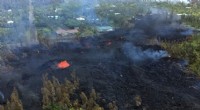
* Volcanoes: Volcanic mountains are formed when molten rock (magma) erupts onto the Earth's surface. This happens at divergent plate boundaries (where plates move apart) or at hotspots (areas of volcanic activity). The Hawaiian islands are a prime example of volcanic mountains formed by a hotspot.
Oceans are formed through a combination of geological and meteorological processes:
* Plate Tectonics: The movement of tectonic plates can create oceanic basins. At divergent plate boundaries, magma rises from the Earth's mantle and cools, creating new oceanic crust. This process is called seafloor spreading. As new crust is formed, the older crust moves away from the ridge, creating space for the ocean to expand.
* Erosion: Over millions of years, erosion by wind, rain, and rivers can carve out low-lying areas, creating depressions that eventually fill with water, forming seas and oceans.
* Evaporation and Precipitation: The water cycle plays a role in maintaining the ocean's volume. Water evaporates from the oceans and forms clouds, which then release precipitation back onto the land. This water eventually flows back to the oceans through rivers and groundwater, completing the cycle.
It's important to note: The formation of mountains and oceans is a slow and ongoing process that takes place over millions of years. These formations are constantly changing and evolving as the Earth's tectonic plates continue to move.