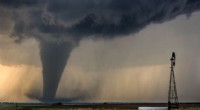
1. Understanding and mitigating natural hazards:
* Earthquakes: Geologists study fault lines, seismic activity, and earthquake history to understand earthquake risks and predict potential events. This helps in developing earthquake-resistant buildings, early warning systems, and emergency response plans.
* Volcanic eruptions: Geologists monitor volcanoes, analyze their activity, and predict eruptions. This knowledge enables the evacuation of communities and helps in mitigating damage caused by volcanic ash, lava flows, and pyroclastic flows.
* Landslides: Geologists assess slope stability, identify areas prone to landslides, and recommend land-use planning strategies to prevent or mitigate these hazards.
* Floods: Geologists map floodplains, analyze river systems, and assess the risks of flooding. This helps in designing flood control measures, establishing flood warning systems, and developing evacuation plans.
* Tsunamis: Geologists analyze ocean floor structures, study historical tsunami events, and develop tsunami warning systems to protect coastal communities.
2. Ensuring safe and sustainable resource management:
* Mineral resources: Geologists identify and assess mineral resources, ensuring their responsible extraction and minimizing environmental impact.
* Water resources: Geologists map aquifers, evaluate water quality, and manage water resources sustainably to ensure safe and clean water supplies for communities.
* Energy resources: Geologists explore and develop oil, gas, and geothermal resources, contributing to energy security while minimizing environmental impact.
3. Protecting the environment:
* Climate change: Geologists study the Earth's climate history and contribute to understanding climate change impacts. They also help develop strategies to mitigate climate change, such as carbon sequestration.
* Pollution: Geologists analyze soil and water quality, identify pollution sources, and develop remediation strategies.
* Waste management: Geologists contribute to finding safe and sustainable solutions for waste disposal, including underground storage of nuclear waste.
4. Contributing to infrastructure safety:
* Construction projects: Geologists evaluate the geological conditions of construction sites to ensure the safety of buildings, bridges, roads, and other infrastructure.
* Mining operations: Geologists ensure safe and sustainable mining practices by monitoring the environment and implementing mitigation measures to minimize risks.
5. Providing education and awareness:
* Geologists educate the public about natural hazards, environmental risks, and the importance of sustainable resource management.
* They work with governments and communities to develop preparedness plans and promote awareness about geological risks.
Overall, geologists contribute to a safer world by understanding the Earth's processes, mitigating natural hazards, managing resources responsibly, and protecting the environment. Their work is essential for ensuring the safety and well-being of communities around the globe.