1. Preservation Potential:
* Warm, humid climates: These climates promote rapid decomposition and weathering, making fossilization less likely. Organic matter breaks down quickly, leaving little chance for preservation.
* Cold, arid climates: These climates are ideal for fossilization. The lack of moisture slows down decomposition, and the dryness prevents erosion and weathering.
* Marine environments: The abundance of sediment and the lack of oxygen in deep waters favor fossilization.
2. Type of Fossil:
* Hard parts: Bones, teeth, shells, and other hard parts are more likely to fossilize than soft tissues.
* Soft parts: In exceptional circumstances, soft tissues can be preserved under specific conditions. Rapid burial in sediment-rich environments, like volcanic ash or amber, can protect soft tissues from decomposition.
* Trace fossils: Footprints, burrows, and other traces of activity can also be preserved, offering insights into past behaviors.
3. Fossil Formation Processes:
* Permineralization: Minerals from surrounding water infiltrate porous bone or shell, replacing organic matter with a hard mineral. This process is more common in arid or semi-arid climates.
* Replacement: Original material is dissolved and replaced by new minerals, leaving a replica of the original structure. This occurs in both marine and terrestrial environments.
* Carbonization: Soft tissues are compressed and chemically altered, leaving a thin layer of carbon film. This occurs primarily in sedimentary rocks.
4. Fossil Degradation:
* Weathering: Exposure to rain, wind, and temperature fluctuations can erode and break down fossils.
* Erosion: Water, wind, and ice can transport and even destroy fossils.
* Biological Activity: Roots, burrowing animals, and bacteria can damage and destroy fossils.
5. Climate Change Effects:
* Sea level fluctuations: Changes in sea level can expose or bury fossil-bearing deposits, affecting their preservation and accessibility.
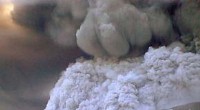
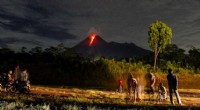
* Climate-driven events: Volcanic eruptions, floods, and droughts can contribute to fossil formation or destruction.
In summary, climate significantly impacts the fossilization process, influencing the likelihood of preservation, the types of fossils formed, and their subsequent degradation. Understanding these relationships helps paleontologists interpret fossil records and reconstruct past environments.