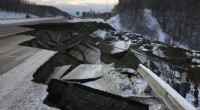
* Lack of cohesion: Sand particles are large and don't bind together well. This makes the soil loose and easily dislodged by wind and water.
* Poor water infiltration: Sandy soils have large pore spaces, which allow water to drain quickly. This reduces the soil's ability to absorb rainfall and slows down erosion.
While soils with a high clay content can also be susceptible to erosion, they are generally more resistant than sandy soils. Here's why:
* Stronger cohesion: Clay particles are small and stick together tightly, giving the soil more structure and stability.
* Better water retention: Clay soils hold water well, which helps to bind the soil particles together and resist erosion.
However, clay soils can become vulnerable to erosion in certain conditions:
* When dry: Clay soils shrink and crack when dry, creating pathways for water and wind to penetrate.
* When saturated: Clay soils become very sticky and can be easily washed away by heavy rainfall or runoff.
Here's a summary:
* Most easily eroded: Soils with a high sand content, especially when dry.
* Less easily eroded: Soils with a high clay content, but can become vulnerable in dry or saturated conditions.
Important Note: The erodibility of a soil is influenced by many factors beyond just sand or clay content. These factors include:
* Organic matter content: Organic matter improves soil structure and water retention.
* Slope: Steeper slopes promote faster runoff and erosion.
* Vegetation cover: Plants help protect the soil from wind and rain.
* Land management practices: Practices like crop rotation, no-till farming, and cover cropping can reduce erosion.