* Direct Observation of Change: The rock cycle demonstrates the continuous transformation of rocks from one type to another. We can observe this directly through geological processes like weathering, erosion, deposition, and tectonic activity. These processes leave a clear record of change over time in the rocks themselves.
* Fossils as Time Markers: Fossils embedded within rocks provide a strong timeline of life on Earth. The types of fossils found in different rock layers (strata) reveal changes in the types of organisms that existed in different geological periods.
* Dating Rocks: Radiometric dating techniques allow scientists to assign ages to rocks, confirming the order in which events occurred and the vast timescale of Earth's history.
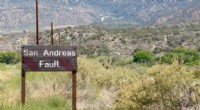
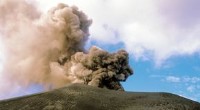
* Plate Tectonics: Understanding plate tectonics reveals the dynamic nature of Earth's surface. The movement and collisions of tectonic plates cause mountain ranges, volcanic activity, and the formation of new landmasses. This provides a framework for understanding major geological changes over millions of years.
Other Evidence:
While the rock cycle is the most comprehensive evidence, other processes contribute to understanding Earth's evolution:
* Climate Change: The geological record shows cyclical climate changes, often linked to changes in Earth's orbit or atmospheric composition.
* Mass Extinction Events: The fossil record reveals numerous periods of mass extinction, which dramatically altered life on Earth and offer clues to past environmental changes.
In summary, the rock cycle, in conjunction with fossil evidence, radiometric dating, and other geological phenomena, provides a strong and multifaceted foundation for understanding the evolution of Earth over billions of years.