* Water: Rain, rivers, oceans, and glaciers can all erode material.
* Wind: Wind can pick up and carry sand, dust, and other particles, which can wear away rock and soil.
* Ice: Glaciers are powerful forces that can carve out valleys and transport huge amounts of rock.
* Gravity: Gravity can cause landslides and rockfalls, which can erode mountains and hillsides.
Here are some key aspects of erosion:
* It's a natural process: Erosion is a continuous process that shapes the Earth's surface.
* It can be slow or fast: Some forms of erosion, like wind erosion, are slow and gradual, while others, like landslides, can happen very quickly.
* It can have both positive and negative impacts: Erosion can create fertile soils and beautiful landscapes, but it can also cause damage to infrastructure, crops, and ecosystems.
Examples of erosion:
* Grand Canyon: The Colorado River has eroded the rock over millions of years, creating the Grand Canyon.
* Sand dunes: Wind erosion has created the sand dunes in deserts.
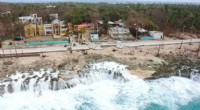
* Coastal erosion: Waves and currents erode the coastline, leading to beach erosion and cliff collapses.
Understanding and mitigating erosion is crucial for:
* Protecting the environment: Erosion can damage habitats and ecosystems.
* Maintaining infrastructure: Erosion can damage roads, bridges, and buildings.
* Ensuring food security: Erosion can reduce soil fertility and crop yields.