Slow Changes:
* Plate Tectonics: This is the most fundamental driver of Earth's physical changes. The Earth's outer layer is broken into large plates that move slowly (a few centimeters per year) over the molten mantle. This movement leads to:
* Mountain Building: When plates collide, one can slide under the other (subduction), causing mountains to rise. The Himalayas, Andes, and Alps are examples.
* Volcanoes: Subduction zones can also lead to volcanic eruptions, creating new landforms.
* Earthquakes: Plate movement can cause the Earth's crust to fracture, releasing energy in the form of earthquakes.
* Continental Drift: Over millions of years, continents have moved across the Earth's surface due to plate tectonics.
* Erosion: The wearing away of rock and soil by wind, water, and ice. This can shape mountains, valleys, canyons, and coastlines.
* Weathering: The breakdown of rocks into smaller pieces by physical and chemical processes (freezing/thawing, acid rain, etc.).
* Glaciation: Large ice sheets can carve out valleys, create lakes, and transport sediment.
* Wind Erosion: Wind can carry away loose sand and soil, creating sand dunes and deserts.
* Sedimentation: The process of depositing eroded material, creating new landforms like deltas, sandbars, and alluvial plains.
Rapid Changes:
* Volcanic Eruptions: Can create new landforms and alter existing ones in a short time.
* Earthquakes: Can cause widespread devastation and reshape landscapes instantly.
* Landslides: Sudden collapses of slopes can dramatically alter the shape of the land.
* Flooding: Heavy rain or melting snow can create floods that reshape river channels and create new floodplains.
* Meteor Impacts: Though rare, these can create large craters and dramatically alter the landscape.
Human Influence:
* Deforestation: Cutting down forests can lead to soil erosion and landslides.
* Mining: Can create large pits and dumps, altering the landscape.
* Construction: Buildings, roads, and dams can significantly change the environment.
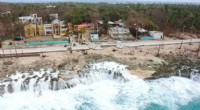
* Climate Change: Rising sea levels and extreme weather events can have a significant impact on coastlines and other features.
In Summary:
The Earth is a dynamic planet with many forces acting on its surface. These forces cause both slow and rapid changes to its physical features. Understanding these processes is crucial for managing our planet and adapting to its changing environment.