Effects of Seismic Waves on the Earth's Surface:
* Ground Shaking: This is the most immediate and obvious effect. The intensity of shaking depends on the magnitude of the earthquake, the distance from the epicenter, and the geological makeup of the area. Shaking can be mild enough to barely be noticeable or violent enough to topple buildings and cause widespread damage.
* Fault Rupture: The actual rupture point along a fault line can break the surface, creating a visible crack or scarp. This is often accompanied by ground displacement, where one side of the fault moves relative to the other.
* Landslides and Rockfalls: Seismic waves can destabilize slopes, causing landslides and rockfalls, especially in mountainous areas.
* Liquefaction: When saturated soil is subjected to strong shaking, it can lose its strength and behave like a liquid. This can cause buildings to sink or tilt, and can lead to widespread damage to infrastructure.
* Tsunamis: Underwater earthquakes can displace large volumes of water, generating powerful waves called tsunamis. These can travel across vast distances and cause devastating flooding when they reach coastal areas.
* Changes in Groundwater Levels: Earthquakes can disrupt underground water flow, causing changes in well levels or causing springs to appear or disappear.
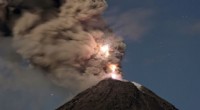
* Volcanic Activity: In some cases, large earthquakes can trigger volcanic eruptions, particularly in areas with active volcanoes.
The Severity of Surface Effects:
The severity of these effects depends on several factors:
* Magnitude: Larger earthquakes generally cause more significant surface effects.
* Distance from Epicenter: The effects of an earthquake diminish with distance from the epicenter.
* Geological Conditions: The type of rock and soil in a region can influence how seismic waves travel and how the ground responds. Areas with loose, saturated soil are more susceptible to liquefaction, while areas with solid bedrock tend to experience less severe ground shaking.
* Building Design: Buildings designed with seismic resistance can better withstand earthquake shaking.
Understanding and Mitigating Risks:
Scientists study earthquakes to better understand how they occur and how they affect the Earth's surface. This knowledge helps to develop building codes and other measures to reduce the risks posed by earthquakes.