Here's why:
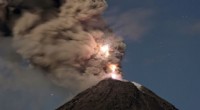
* Active Volcanoes: The Cascade Range is home to a chain of active volcanoes, including Mount Rainier, Mount St. Helens, Mount Hood, and Mount Shasta. These volcanoes have a history of significant eruptions, some of which have been devastating.
* High Population Density: Major metropolitan areas, like Seattle and Portland, are located within close proximity to these volcanoes, meaning millions of people are at risk.
* Potential Hazards: The Cascade volcanoes pose various hazards, including:
* Lava Flows: Slow-moving but destructive, lava flows can bury entire communities.
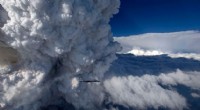
* Ashfall: Volcanic ash can blanket entire regions, disrupting transportation, power grids, and agriculture.
* Pyroclastic Flows: Fast-moving, superheated currents of gas and rock can cause instant death.
* Lahars: Volcanic mudflows can race down valleys at high speeds, causing widespread devastation.
* Recent Activity: Mount St. Helens' 1980 eruption serves as a stark reminder of the potential for catastrophic events.
While other areas of North America, like Alaska and the Aleutian Islands, have active volcanoes, the combination of active volcanoes, high population density, and the potential for significant hazards makes the Cascade Range the area with the greatest risk of volcano damage.