1. Igneous Rocks:
* Formation: Formed from the cooling and solidification of magma (molten rock below the Earth's surface) or lava (molten rock erupted onto the Earth's surface).
* Types:
* Intrusive (Plutonic): Formed from magma cooling slowly underground, resulting in large crystals (e.g., granite).
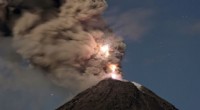
* Extrusive (Volcanic): Formed from lava cooling quickly on the Earth's surface, resulting in small crystals or no crystals (e.g., basalt).
2. Sedimentary Rocks:
* Formation: Formed from the accumulation and cementation of sediments, which are fragments of existing rocks, minerals, and organic matter.
* Types:
* Clastic: Formed from fragments of other rocks (e.g., sandstone, shale).
* Chemical: Formed by the precipitation of minerals from water solutions (e.g., limestone, rock salt).
* Organic: Formed from the accumulation and compression of organic remains (e.g., coal, oil shale).
3. Metamorphic Rocks:
* Formation: Formed from existing igneous, sedimentary, or even other metamorphic rocks that have been subjected to intense heat and pressure, causing changes in their mineral composition and texture.
* Types:
* Foliated: Have a layered or banded appearance due to the alignment of minerals under pressure (e.g., slate, schist, gneiss).
* Non-foliated: Do not have a layered appearance (e.g., marble, quartzite).
The Rock Cycle and the Classification:
* The rock cycle illustrates how rocks continuously transform from one type to another.
* Igneous rocks can be weathered and eroded to form sediments, which then become sedimentary rocks.
* Sedimentary and igneous rocks can be subjected to heat and pressure, transforming them into metamorphic rocks.
* Metamorphic rocks can be melted and then solidify to form igneous rocks, completing the cycle.
Therefore, the classification of rocks in the rock cycle is based on their origin or process of formation, rather than specific physical characteristics or mineral composition.