1. Convergent Plate Boundaries:
* Continental-Continental Collisions: When two continental plates collide, they buckle and fold, creating massive mountain ranges. The Himalayas, the Alps, and the Appalachian Mountains are prime examples.
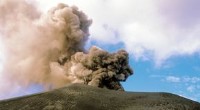
* Oceanic-Continental Collisions: When an oceanic plate subducts (sinks) beneath a continental plate, the denser oceanic plate melts, forming magma that rises to the surface, leading to volcanic activity and the formation of mountain ranges. The Andes Mountains are a result of this process.
2. Other Factors:
* Faulting and Folding: As plates collide, the crust can break and fracture, forming faults. The movement along these faults can cause uplift and create mountain ranges.
* Volcanism: As mentioned above, volcanic activity can create mountains, especially in areas where oceanic plates subduct beneath continental plates.
* Erosion: Erosion can sculpt and shape mountains over time, changing their appearance and revealing the underlying rock structures.
In summary:
* Large mountain ranges are primarily formed at convergent plate boundaries where plates collide and buckle.
* This process involves subduction, folding, faulting, and volcanism.
* Erosion plays a significant role in shaping and modifying mountain ranges over time.
It's important to note that mountain formation is a complex process that involves various geological forces and can take millions of years to complete.