1. Coastal Erosion:
* Wave Action: Waves crashing against the coastline, especially during storms, cause significant erosion.
* Tidal Action: The rise and fall of tides constantly erode the coastline, particularly at high tide.
* Longshore Drift: The movement of sediment along the coastline by waves can lead to erosion in some areas and deposition in others.
* Sea Level Rise: Rising sea levels exacerbate erosion by increasing the volume of water impacting the coastline and causing more frequent flooding.
2. Cliff Erosion:
* Rainfall and Freeze-Thaw: Heavy rainfall and the freezing and thawing of water within the cliff face can weaken the rock and lead to landslides and rock falls.
* Undercutting: Waves and tides erode the base of cliffs, creating undercuts which can eventually cause the cliffs to collapse.
3. River Erosion:
* Flooding: Increased river flow during storms can lead to bank erosion and changes in river channels.
* Sediment Transport: Rivers transport sediment downstream, which can cause erosion or deposition in different areas along their course.
Impact on Norfolk:
* Loss of Land: Erosion causes the loss of valuable land along the coastline, threatening homes, businesses, and infrastructure.
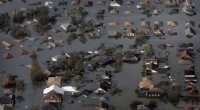
* Coastal Flooding: Erosion weakens the coastline's natural defenses, increasing the risk of coastal flooding.
* Damage to Infrastructure: Roads, railways, and other infrastructure are vulnerable to damage from erosion.
* Loss of Biodiversity: Coastal erosion can destroy habitats for a variety of plants and animals, leading to loss of biodiversity.
Mitigation Efforts:
Norfolk County Council and other organizations are actively working to mitigate the effects of erosion through various strategies, including:
* Sea Defenses: Building seawalls, groynes, and other structures to protect the coastline.
* Beach Nourishment: Replacing lost sand on beaches to buffer the coast from erosion.
* Coastal Management Plans: Developing comprehensive plans to manage coastal erosion and protect communities.
* Sustainable Development: Promoting sustainable development practices along the coast to minimize the impact of human activities on erosion.
The issue of erosion is complex and requires ongoing monitoring, research, and collaborative efforts to protect Norfolk's vulnerable coastline.