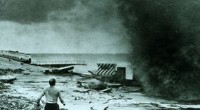
Running Water
* Erosion:
* Hydraulic Action: The sheer force of water can dislodge and carry away rocks and soil. This is particularly strong in fast-flowing rivers.
* Abrasion: The water carries sediment (like sand and pebbles), which acts like sandpaper, grinding away at the bedrock and riverbanks.
* Corrosion: In areas with limestone, slightly acidic rainwater can dissolve the rock, creating caves and sinkholes.
* Deposition:
* Decreased Velocity: When the water slows down, it loses energy and can no longer carry the sediment. This leads to deposition of sediment, creating landforms like river deltas, alluvial fans, and floodplains.
* Changes in Gradient: As rivers flow from higher to lower elevations, their gradient (steepness) decreases, causing deposition.
Groundwater
* Erosion:
* Dissolution: In areas with soluble rock (like limestone), groundwater can dissolve the rock, forming caves, sinkholes, and underground channels.
* Chemical Weathering: The minerals in groundwater can chemically react with the surrounding rocks, weakening them and making them more susceptible to erosion.
* Deposition:
* Mineral Precipitation: As groundwater moves through the soil, it can pick up dissolved minerals. When the water evaporates or encounters different conditions, these minerals may precipitate out, forming mineral deposits like stalactites and stalagmites in caves.
Glaciers
* Erosion:
* Plucking: As glaciers move, they freeze to the bedrock, and when the glacier advances, it pulls away chunks of rock.
* Abrasion: The embedded rocks and sediment in the ice act like sandpaper, grinding away at the underlying bedrock, forming glacial valleys and cirques.
* Deposition:
* Till: As glaciers melt, they deposit the unsorted rock debris (till) they have been carrying. This can create moraines (ridges of till), outwash plains (flat, sandy plains), and drumlins (smooth, elongated hills).
* Erratics: Glaciers can carry large boulders far from their original location. These boulders are called erratics and can be a clue to past glacial activity.
In Summary:
All these agents play a crucial role in shaping the Earth's surface. They erode and transport material, ultimately depositing it elsewhere, leading to a continuous process of landscape evolution.