1. Divergent Plate Boundaries:
* Movement: Plates move apart from each other.
* Result: Magma rises from the mantle to fill the gap, creating new crust. This process, called seafloor spreading, often results in relatively shallow earthquakes.
* Example: Mid-Atlantic Ridge
2. Convergent Plate Boundaries:
* Movement: Plates collide with each other.
* Result: The denser plate subducts (sinks) beneath the less dense plate. This process can cause intense pressure and friction, leading to powerful earthquakes.
* Types:
* Oceanic-Continental: Oceanic plate subducts under continental plate (e.g., Andes Mountains)
* Oceanic-Oceanic: One oceanic plate subducts under another (e.g., Mariana Trench)
* Continental-Continental: Two continental plates collide (e.g., Himalayas)
3. Transform Plate Boundaries:
* Movement: Plates slide horizontally past each other.
* Result: Friction between the plates creates significant stress, leading to earthquakes.
* Example: San Andreas Fault in California
Other factors that can cause earthquakes:
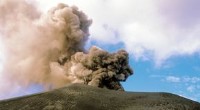
* Volcanic activity: Eruptions and magma movement can trigger earthquakes.
* Human activities: Mining, fracking, and dam construction can induce seismic activity.
* Fault creep: Slow, continuous movement along a fault without causing noticeable earthquakes.
It's important to note that all of these movements cause strain and stress in the Earth's crust, which eventually results in the release of energy in the form of earthquakes.