1. Earthquakes:
- When plates slide past each other, collide, or pull apart, the movement is not always smooth.
- This sudden release of energy causes vibrations that we feel as earthquakes.
- The strength of the earthquake depends on the amount of energy released and the distance from the epicenter.
2. Volcanoes:
- Plate boundaries are where most volcanoes occur.
- When plates collide, one plate can slide beneath the other (subduction). The descending plate melts, and the molten rock rises to the surface, forming volcanoes.
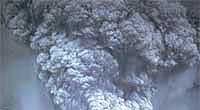
- Volcanic eruptions can be explosive or effusive, depending on the viscosity of the magma.
3. Mountain Ranges:
- When continental plates collide, they push against each other, causing the land to buckle and fold, forming mountain ranges.
- The Himalayas, the Alps, and the Andes are all examples of mountain ranges formed by plate collisions.
4. Rift Valleys:
- When plates move apart (diverge), the land between them can crack and split, forming rift valleys.
- The East African Rift Valley is a prominent example of this phenomenon.
- Rift valleys can also lead to the formation of new ocean basins.
5. Seafloor Spreading:
- At mid-ocean ridges, where plates are diverging, new oceanic crust is created as magma rises from the mantle and cools.
- This process, called seafloor spreading, pushes the plates apart, creating new ocean floor.
6. Island Arcs:
- As an oceanic plate subducts beneath another plate (either oceanic or continental), the descending plate melts, and the molten rock rises to the surface, forming volcanic island arcs.
- The Aleutian Islands, the Mariana Islands, and the Japanese Islands are all examples of island arcs.
7. Continental Drift:
- The slow, continuous movement of tectonic plates over millions of years has resulted in the continents shifting positions on the Earth's surface.
- This process, known as continental drift, has played a major role in shaping the Earth's geography and climate.
8. Tsunamis:
- Earthquakes occurring on the ocean floor can displace a large amount of water, creating a tsunami.
- Tsunamis can travel across vast distances, causing devastating damage when they reach coastal areas.
9. Erosion and Sedimentation:
- Plate tectonics influence erosion and sedimentation patterns.
- The uplift of mountains creates high relief, leading to increased erosion.
- The movement of plates also influences the distribution of sediment and the formation of sedimentary basins.
Overall, the shifting of tectonic plates has a profound impact on the Earth's surface and its inhabitants. These movements shape landscapes, influence climate, and drive geological processes that have been happening for billions of years.