Natural Forces:
* Water: Rain, rivers, oceans, and even glaciers can carry away loose material.
* Wind: Strong winds can pick up and transport dust, sand, and even larger particles.
* Ice: Glaciers carve out valleys and transport rocks and soil as they move.
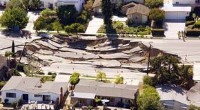
* Gravity: Gravity pulls material downhill, causing landslides and rockfalls.
Human Activities:
* Deforestation: Removing trees exposes soil to wind and rain, increasing erosion rates.
* Agriculture: Intensive farming practices, like tilling and monoculture, can leave soil vulnerable to erosion.
* Construction: Building projects often disturb the land, leading to soil erosion.
* Overgrazing: Too many animals grazing in one area can damage vegetation, leaving soil exposed.
* Mining: Mining activities expose large areas of land, making them susceptible to erosion.
Key Factors:
* Climate: Arid climates with strong winds and little vegetation are more prone to wind erosion. Areas with heavy rainfall are more susceptible to water erosion.
* Topography: Steep slopes are more prone to erosion than flat land.
* Soil Type: Some soils are more easily eroded than others. For example, loose, sandy soils are more prone to erosion than clay soils.
* Vegetation: Plants help hold soil in place and reduce the impact of rain and wind.
Understanding the causes of erosion is crucial for managing and mitigating its impacts. By implementing responsible land management practices, we can help protect our soils and prevent further erosion.