1. Pangea Breakup:
* The most significant event of the Mesozoic was the breakup of the supercontinent Pangea. This process began in the Triassic and continued through the Jurassic and Cretaceous.
* The breakup led to the formation of rift valleys (like the modern East African Rift Valley) and volcanic activity.
* As the continents drifted apart, ocean basins formed and expanded.
2. Mountain Building:
* The collision of tectonic plates created mountain ranges.
* The Appalachian Mountains and the Caledonian Mountains in Europe are remnants of this period.
* The Rocky Mountains and the Andes Mountains were also formed during the Mesozoic, but much of their present-day structure was later modified by uplift in the Cenozoic.
3. Sedimentation:
* As the continents drifted, vast amounts of sediment were deposited in shallow seas and inland basins.
* This led to the formation of extensive sedimentary rocks, including sandstone, limestone, and shale.
* The sediments from this era form many of the earth's major oil and gas deposits.
4. Volcanic Activity:
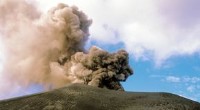
* Volcanic activity was common during the Mesozoic, especially during the periods of continental breakup.
* Lava flows and ash deposits created unique landforms, and some of these volcanic features remain today.
* The Deccan Traps in India, a massive volcanic plateau, formed during the Late Cretaceous.
5. Coastal Features:
* The changing coastline associated with the breakup of Pangea and the rising and falling sea levels resulted in various coastal landforms.
* Barrier islands, lagoons, and tidal flats are examples of coastal features that were prominent.
In Summary:
The Mesozoic Era was a dynamic period in Earth's history, characterized by:
* The breakup of Pangea and the creation of new oceans.
* Mountain building and volcanic activity.
* The formation of vast sedimentary deposits.
* The development of diverse coastal landforms.
These geological processes shaped the Earth's surface, creating the landforms we see today, from mountains to ocean basins.