1. Distribution of Earthquakes and Volcanoes:
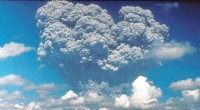
* Plate boundaries are zones of intense geological activity. Earthquakes occur when plates slide past each other, collide, or move apart. Volcanoes form when magma rises from the mantle through cracks in the Earth's crust, often at plate boundaries.
2. Formation of Mountains:
* When two continental plates collide, they push against each other, causing the land to buckle and fold, forming mountain ranges like the Himalayas.
3. Formation of Ocean Basins and Mid-Ocean Ridges:
* At divergent plate boundaries, where plates move apart, magma rises from the mantle and creates new ocean floor. This process forms mid-ocean ridges, underwater mountain ranges.
4. Continental Drift:
* The movement of tectonic plates explains how continents have drifted apart over millions of years. Fossil evidence and matching geological formations on different continents support this theory.
5. Seafloor Spreading:
* The discovery of magnetic striping patterns on the seafloor provides strong evidence for seafloor spreading, a key component of plate tectonics.
6. Formation of Island Arcs and Trenches:
* When an oceanic plate subducts beneath another plate (either oceanic or continental), it can cause the formation of island arcs, chains of volcanic islands like Japan, and deep ocean trenches.
7. Formation of Mineral Deposits:
* Plate tectonics plays a role in the formation of many mineral deposits, including gold, copper, and diamonds.
8. Climate Change:
* The movement of continents and the formation of mountains can significantly impact global climate patterns.
In summary, plate tectonics is a unifying theory that provides a framework for understanding the dynamic processes shaping the Earth's surface, from the smallest geological features to the largest continental masses.