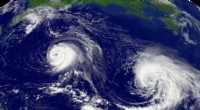
Atmosphere:
* Weathering: Wind and rain, driven by atmospheric circulation, break down rocks through physical and chemical processes.
* Physical weathering: Wind abrasion, freeze-thaw cycles, and the impact of rain can break rocks into smaller pieces.
* Chemical weathering: Rainwater, often slightly acidic, dissolves minerals in rocks, leading to the formation of new minerals.
* Transportation: Wind carries sediments, transporting them from one location to another, often depositing them in new areas.
* Climate: Climate influences weathering rates. Hot, humid climates promote chemical weathering, while cold, dry climates favor physical weathering.
Hydrosphere:
* Erosion: Rivers, glaciers, and ocean currents erode and transport rock material.
* Transportation: Water carries sediments, transporting them from higher elevations to lower elevations.
* Deposition: Rivers, oceans, and lakes deposit sediments, forming new layers of sedimentary rock.
* Chemical weathering: Water reacts with rocks, dissolving minerals and contributing to the formation of new minerals.
Biosphere:
* Weathering: Plants and animals contribute to weathering. Tree roots can break rocks, and animals can burrow and dig, exposing rocks to weathering.
* Soil formation: Decomposition of organic matter from plants and animals contributes to the formation of soil, which is derived from weathered rocks.
* Sedimentation: Organisms can leave behind shells and other remains that become part of the sedimentary record.
Geosphere:
* Plate tectonics: The movement of tectonic plates drives the rock cycle by creating mountains, volcanoes, and ocean basins.
* Magmatism: Magma generated deep within the Earth rises to the surface, forming igneous rocks through cooling and solidification.
* Metamorphism: Existing rocks are transformed into metamorphic rocks due to heat and pressure, often associated with plate tectonics.
* Rock uplift and erosion: The uplift of mountains by tectonic forces exposes rocks to weathering and erosion, restarting the rock cycle.
Interconnections:
The interplay between these systems is complex and dynamic:
* Weathering and Erosion: The atmosphere and hydrosphere contribute to the breakdown and transport of rocks, providing material for the formation of new sedimentary rocks.
* Plate Tectonics and Rock Formation: The movement of tectonic plates leads to the formation of igneous and metamorphic rocks, which are then exposed to weathering and erosion.
* Biosphere and Sedimentation: Organic matter from the biosphere contributes to the formation of soil and sediments, ultimately forming sedimentary rocks.
In conclusion, the rock cycle is not an isolated process but is interconnected with all of the Earth's systems. Each system plays a crucial role in shaping and transforming rocks, driving the continuous cycle of creation, destruction, and renewal.