1. Plate Tectonics:
* Convergent Plate Boundaries: This is the primary driver of mountain formation. When two tectonic plates collide, the denser plate subducts (slides) beneath the less dense plate. This process creates a subduction zone, leading to:
* Volcanic Mountain Formation: As the subducting plate descends, it melts, and the molten rock rises to the surface, forming volcanoes. These volcanoes can eventually build up into large mountains.
* Fold Mountains: The collision between the plates causes the crust to buckle and fold, forming mountain ranges. The Himalayas, the Alps, and the Andes are examples of fold mountains.
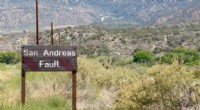
* Fault-Block Mountains: The collision can also create faults, where the crust breaks and shifts. The blocks of crust that are pushed up form fault-block mountains.
2. Uplift:
* Isostatic Rebound: This process occurs when a large weight is removed from the Earth's crust, such as a glacier or a massive ice sheet. The crust, previously depressed by the weight, slowly rises back to its original position. This uplift can create mountains.
* Magma Intrusions: When magma rises into the Earth's crust but doesn't erupt, it can push up the surrounding rock, forming mountains called laccoliths or batholiths.
* Erosion: While erosion is often seen as a force that wears down mountains, it can also contribute to their formation. The erosion of surrounding areas can leave a mountain standing higher than the surrounding landscape.
3. Other Processes:
* Impact Craters: The impact of large meteorites can create mountains around the crater.
* Volcanic Activity: While volcanic mountains are often formed at convergent plate boundaries, volcanic activity can also create mountains in other locations, such as at hot spots.
Specific Examples of Mountain Formation:
* The Himalayas: Formed by the collision of the Indian and Eurasian plates.
* The Andes Mountains: Formed by the subduction of the Nazca Plate under the South American Plate.
* The Rocky Mountains: Formed by a complex interplay of plate tectonics and uplift.
* Mount Kilimanjaro: A volcanic mountain in Africa formed by a hot spot.
It's important to note that these processes can work together in complex ways to shape mountains. For instance, while fold mountains are primarily formed by tectonic collisions, uplift and erosion can also play a role in their final shape and elevation.