Here are some examples:
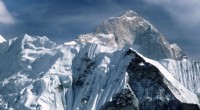
* Mountains: Large, steep elevations formed by tectonic activity, volcanic eruptions, or erosion.
* Hills: Smaller, less steep elevations than mountains, often formed by erosion or glacial activity.
* Plateaus: Flat, elevated areas with relatively steep sides, often formed by volcanic activity or tectonic uplift.
* Mesas: Flat-topped hills with steep sides, often formed by erosion.
* Buttes: Isolated hills with steep sides, often formed by erosion.
These natural elevations are a fundamental part of Earth's landscape, and they play a significant role in shaping the environment, influencing climate, and providing habitats for diverse flora and fauna.