1. Buoyancy:
* Density Difference: Magma is less dense than the surrounding solid rock. This density difference creates an upward force, similar to how a hot air balloon rises. The lower density of magma is due to:
* Temperature: Magma is significantly hotter than the surrounding rock, causing its molecules to spread out and making it less dense.
* Composition: Magma often contains a higher proportion of lighter elements like silicon and oxygen compared to the surrounding rocks.
* Pressure Gradient: Magma is under enormous pressure deep within the Earth. As the magma rises, the pressure decreases, causing it to expand and become even less dense, further increasing its buoyancy.
2. Convection:
* Heat Transfer: Hot, less dense magma rises, transferring heat upwards. This creates a circulation pattern, with cooler, denser magma sinking to replace the rising magma. This process is similar to how water boils in a pot, creating convection currents.
* Plate Tectonics: The movement of tectonic plates can generate heat and create convection currents in the mantle. This drives the rise of magma along plate boundaries, where magma can erupt as volcanoes.
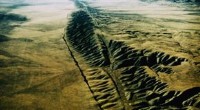
3. Fractures and Faults:
* Pre-existing Weaknesses: Magma can exploit existing fractures and faults in the Earth's crust, which act as pathways for it to ascend. These weaknesses are often created by tectonic activity.
* Fracturing: Rising magma can also cause the surrounding rock to fracture, providing additional pathways for its ascent.
4. Diapirs:
* Mushroom-shaped Intrusions: In some cases, magma can rise in a large, mushroom-shaped intrusion called a diapir. These structures can be driven by buoyancy and pressure, pushing their way upward through the crust.
5. Role of Gases:
* Volatiles: Magma often contains dissolved gases like water vapor and carbon dioxide. As the magma rises and pressure decreases, these gases expand, creating additional pressure that helps drive the magma upwards.
In Summary:
The rise of magma is a complex process driven by a combination of buoyancy, convection, and the presence of fractures and faults in the Earth's crust. These factors work together to create the conditions necessary for magma to ascend from its source deep within the Earth to the surface, where it can erupt as volcanoes.