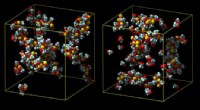
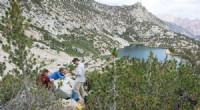
1. Weathering and Erosion: Existing rocks are broken down into smaller pieces (sediment) by forces like wind, water, ice, and chemical reactions.
2. Transportation: The sediment is transported away from its source by wind, water, or ice, and is sorted by size and density.
3. Deposition: The sediment eventually comes to rest in a new location, often in layers. This can happen in a lake, ocean, desert, or even a riverbed.
4. Burial: As more sediment is deposited on top, the older layers are buried deeper.
5. Compaction: The weight of overlying sediment squeezes out water and air from the sediment, causing the particles to pack closer together.
6. Cementation: Dissolved minerals in the groundwater precipitate between the sediment grains, acting as a glue that binds them together. This process is called diagenesis.
The result of lithification is a solid, coherent sedimentary rock.
Here are some examples of sedimentary rocks:
* Sandstone: Formed from cemented sand grains.
* Limestone: Formed from cemented shells, coral fragments, or other calcium carbonate materials.
* Shale: Formed from compacted clay particles.
* Conglomerate: Formed from cemented gravel and pebbles.
Note: The process of lithification can take millions of years.