* All mountains are formed by geological processes that involve some degree of warping, folding, or uplifting. It's just a matter of scale and the specific mechanisms involved.
Let's break down some mountain types and how they relate to warping:
* Folded Mountains: These are the most obvious examples of warped mountains. Think of the Himalayas or the Alps. They form when tectonic plates collide, causing layers of rock to buckle and fold.
* Block Mountains (Fault-Block Mountains): These are formed when blocks of the Earth's crust are uplifted or dropped along faults. The Sierra Nevada mountains in California are a good example. While they aren't folded, the process of faulting and vertical movement involves significant warping.
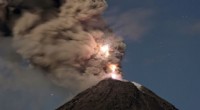
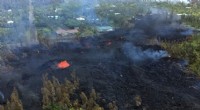
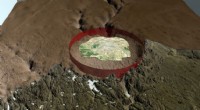
* Volcanic Mountains: These are formed by the accumulation of lava and ash from volcanic eruptions. While they may not be "folded," they still involve the warping and uplifting of the Earth's surface.
* Dome Mountains: These are formed by the upward bulging of the Earth's crust, often caused by magma rising from below. The Black Hills of South Dakota are a prime example. This bulging involves warping of the crust.
The Bottom Line: It's very difficult to find a mountain range that hasn't been formed by some type of crustal warping. The forces that shape mountains are almost always associated with tectonic plate movements, which involve the bending, breaking, and movement of the Earth's crust.
If you're looking for mountains that are less "warped" in a visual sense, you might consider:
* Volcanic Mountains: Their cones are often quite symmetrical, with less obvious folding or faulting.
* Plateau Mountains: These are often flat-topped and may not have the dramatic peaks of folded mountains.
Let me know if you have any more questions about mountain formation!