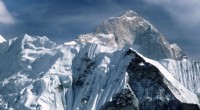
1. Physical Boundaries: These are based on natural features of the Earth, like:
* Mountains: The Himalayas separate India from China, the Andes separate Chile from Argentina.
* Rivers: The Rio Grande separates the US from Mexico, the Rhine River partially divides France from Germany.
* Oceans: The Atlantic Ocean separates Europe from North America, the Pacific Ocean separates Asia from North America.
* Deserts: The Sahara Desert acts as a natural barrier between North Africa and the Sahel region.
2. Political Boundaries: These are established by human agreements, like:
* International Borders: Lines drawn on maps that separate one country from another.
* State or Provincial Boundaries: Lines within a country that divide states, provinces, or other administrative regions.
* City Limits: Boundaries that define the limits of a city or town.
3. Cultural Boundaries: These are based on shared cultural characteristics, which can be:
* Language: Different languages can create boundaries between groups of people.
* Religion: Religious differences can also create boundaries between communities.
* Ethnic Identity: Shared ancestry or traditions can create a sense of belonging within a group.
It's important to remember that these are just a few examples and there are many other ways to define geographical boundaries. The specific types of boundaries that are most relevant will depend on the context of the discussion.