Continental plates are formed through a complex process involving volcanism, accretion, and tectonic collisions. Here's a breakdown:
1. Volcanism: The primary source of new continental crust is volcanic activity at mid-ocean ridges. As magma rises from the Earth's mantle, it cools and solidifies, forming new oceanic crust. Over time, this oceanic crust can be subducted (pushed) beneath a continental plate.
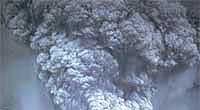
2. Accretion: As oceanic crust subducts, it melts, and the resulting magma rises to the surface, creating volcanoes on the edge of the continent. These volcanoes erupt and release andesite (a type of volcanic rock), which is lighter than oceanic crust and begins to build up, forming island arcs or continental arcs.
3. Tectonic Collisions: Eventually, the island arc or continental arc collides with the existing continental plate. This collision causes folding and uplift, creating mountain ranges and adding more landmass to the continent. This process can also involve the obduction of oceanic crust onto the continental plate, further expanding its size.
4. Continental Growth: The cycle of volcanic activity, accretion, and collisions continues, slowly adding new material to the continent and building its thickness.
Continental plates are not destroyed in the same way that oceanic plates are subducted. They are continually recycled and modified through various processes:
1. Erosion: Weathering and erosion slowly break down mountains and other landforms, transporting sediments to oceans and other depositional environments.
2. Subduction: While continental plates are less dense and thus harder to subduct than oceanic plates, parts of the continental crust can still be pulled down into the mantle during collisions with other plates.
3. Rifting: In some cases, continental plates can be pulled apart by tectonic forces, creating rifts or rift valleys. These areas often experience volcanic activity and can eventually lead to the formation of new ocean basins.
4. Continental Collisions: When continents collide, they can be compressed and folded, forming mountain ranges. This process can also cause portions of the continental crust to be thrust over the other, creating complex geological structures.
5. Recycling: Through various geological processes, the materials from the destroyed parts of the continental crust can be recycled into new crust, contributing to the continuous cycle of plate tectonics.
In summary: Continental plates are formed by a complex interplay of volcanic activity, accretion, and tectonic collisions. They are not destroyed in the same way as oceanic plates, but are constantly being recycled and modified through erosion, subduction, rifting, and collisions. The processes of formation and destruction are closely interconnected, driving the dynamic nature of Earth's crust.